Battery value depends on the loads you need during an outage, utility rate design, usable capacity and installation scope—not simply whether your home has solar.
Looking for verified solar-installation specialists? Check availability in seconds.
Check ZIP code availabilityHow much does a solar battery cost in 2026?
EnergySage reports a 2026 benchmark of about $15,647 before incentives for roughly 13.5 kWh of storage, a common size for backing up selected household loads. Small critical-load systems may cost less; multiple batteries and whole-home designs can cost substantially more.
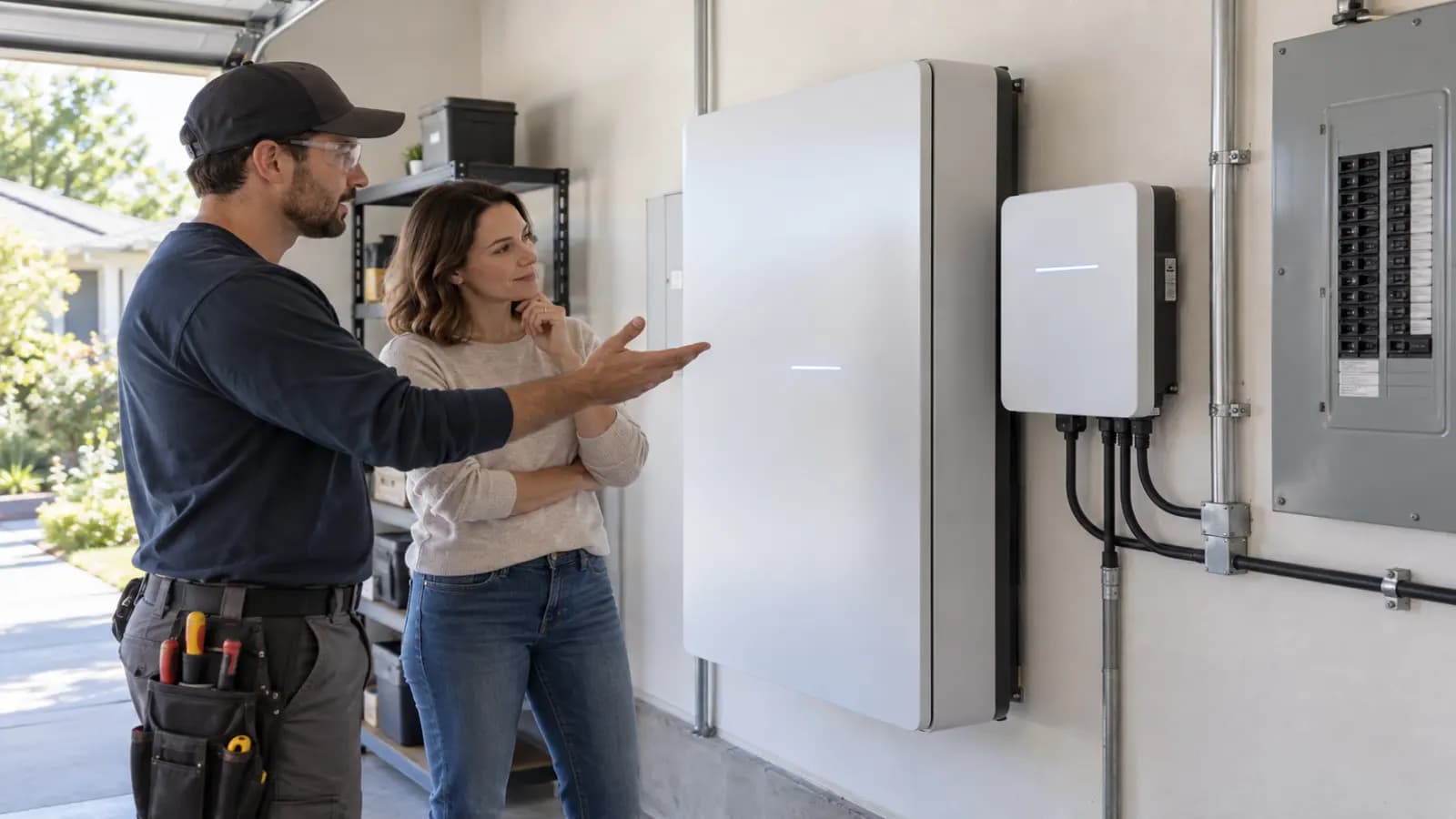
Capacity alone does not define the quote. The total can include a battery, inverter, gateway, critical-load panel, electrical upgrades, mounting, permits, commissioning and integration with existing solar.
Size the outage plan before the battery
List the circuits that must operate and how long they need to run. Refrigeration, lighting, internet and a few receptacles require a different design from central air conditioning, electric heat, well pumps or medical equipment.
Ask for usable capacity, continuous power, surge power and the installer’s runtime assumptions. A large energy number does not guarantee that the system can start a high-demand motor.
When storage can provide value
DOE identifies outages, weak export compensation and time-of-use or demand rates as common reasons to consider storage. Savings still depend on utility rules, rate changes, battery cycling and system controls.
Backup value is personal. A household with frequent outages, a well pump or essential medical loads may value resilience differently from a home with reliable service and full retail net metering.
Installation details that change the price
Have the installer document the complete electrical and code scope.
- AC-coupled versus DC-coupled architecture and compatibility with existing solar.
- Indoor or outdoor location, clearances, temperature limits and fire-code requirements.
- Main-panel capacity, service equipment, critical-load panel and load controls.
- Permit, utility application, inspection and monitoring configuration.
- Battery, inverter and installer labor warranties stated separately.
How to compare battery quotes
Normalize each quote by usable kWh, continuous kW, surge output, protected circuits and installed cash price. Review financing separately from equipment value.
Request a one-line diagram, equipment model numbers, expected operating mode, warranty cycle limits, transfer rules and a demonstration of backup operation before final payment.
Cash price before incentives and total financed cost.
Usable capacity and expansion options.
Expected runtime for your named loads.
Black-start and solar-recharging behavior during an outage.
Maintenance, software and internet-dependence disclosures.
The bottom line
A battery is worth evaluating when it solves a defined outage or rate problem. Start with loads and utility rules, then choose equipment. Do not let a generic whole-home claim replace an engineered backup plan.
Verify contractor licensing, insurance, permits and utility approval. GetLocalExperts only facilitates matching with independent providers.
Frequently asked questions
Can a solar battery run central air conditioning?
Some systems can, but starting and continuous power requirements matter. The installer must model the specific condenser, air handler and other simultaneous loads.
Will rooftop solar work during a blackout without a battery?
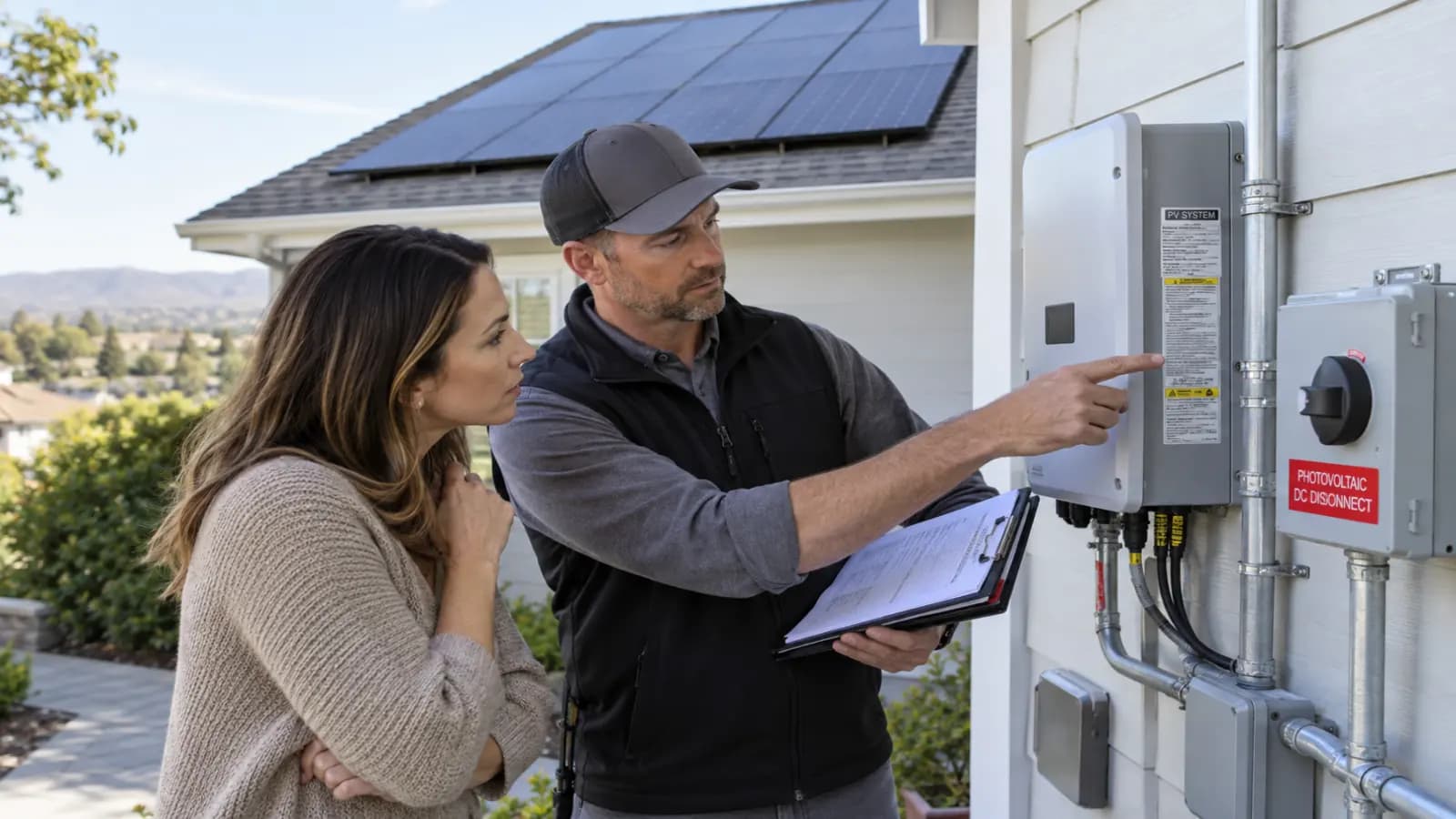
Most grid-tied systems shut down during an outage for safety unless designed with approved backup equipment. Confirm the exact inverter and isolation design.
How many batteries does a house need?
There is no square-footage answer. Size storage from required circuits, watts, surge demand, hours of backup and expected solar recharge.
Can a battery be added to existing solar?
Often yes. Compatibility, coupling method, panel capacity, warranty and utility requirements determine the scope.
Are battery incentives guaranteed?
No. Eligibility and funding vary by state, utility, installation date and taxpayer circumstances. Verify programs directly before signing.
Costs and savings are planning estimates, not quotes, guarantees or tax advice. Utility programs, incentives, codes and equipment pricing vary by location and can change.
Sources and further reading
- Solar Battery Cost: Are They Actually Worth It in 2026? — EnergySage
- Homeowner's Guide to Solar — U.S. Department of Energy
- Solar Energy Guide for Homebuilders — U.S. Department of Energy
This guide was researched and reviewed by the GetLocalExperts Editorial Team against primary regulatory benchmarks, state contractor licensing board standards, and FTC consumer protection guidelines.